Thinking about Greater Heights? If you want a neighborhood that feels close to the heart of Houston but still has its own identity, this area tends to stand out fast. You get historic character, everyday convenience, and a mix of homes and lifestyle options that can be hard to find in one place. Here’s what it’s actually like to live in Houston’s Greater Heights, and what you may want to weigh before you make a move.
Where Greater Heights Is
Greater Heights is the City of Houston’s Super Neighborhood 15, located in north-central Houston inside the 610 Loop. The city generally describes it as being bounded by Interstate 10 to the south, Interstate 610 to the north, Interstate 45 to the east, and White Oak Bayou to the west.
In daily life, Greater Heights feels less like one single neighborhood and more like a connected group of well-known areas. Houston Heights, Norhill, Sunset Heights, and Woodland Heights are all part of that larger cluster, which gives the area a layered and distinct feel.
Why the Area Feels Different
A big part of Greater Heights’ appeal comes from its history. Houston Heights was founded in 1891 and is described by the city as Texas’ earliest planned community. It was later annexed by Houston in 1918.
That early planning still shapes the neighborhood today. The original development included streets, sidewalks, utilities, and streetcar access to downtown, which helps explain why the area still feels close-in, connected, and more neighborhood-scaled than many other parts of Houston.
What the Homes Look Like
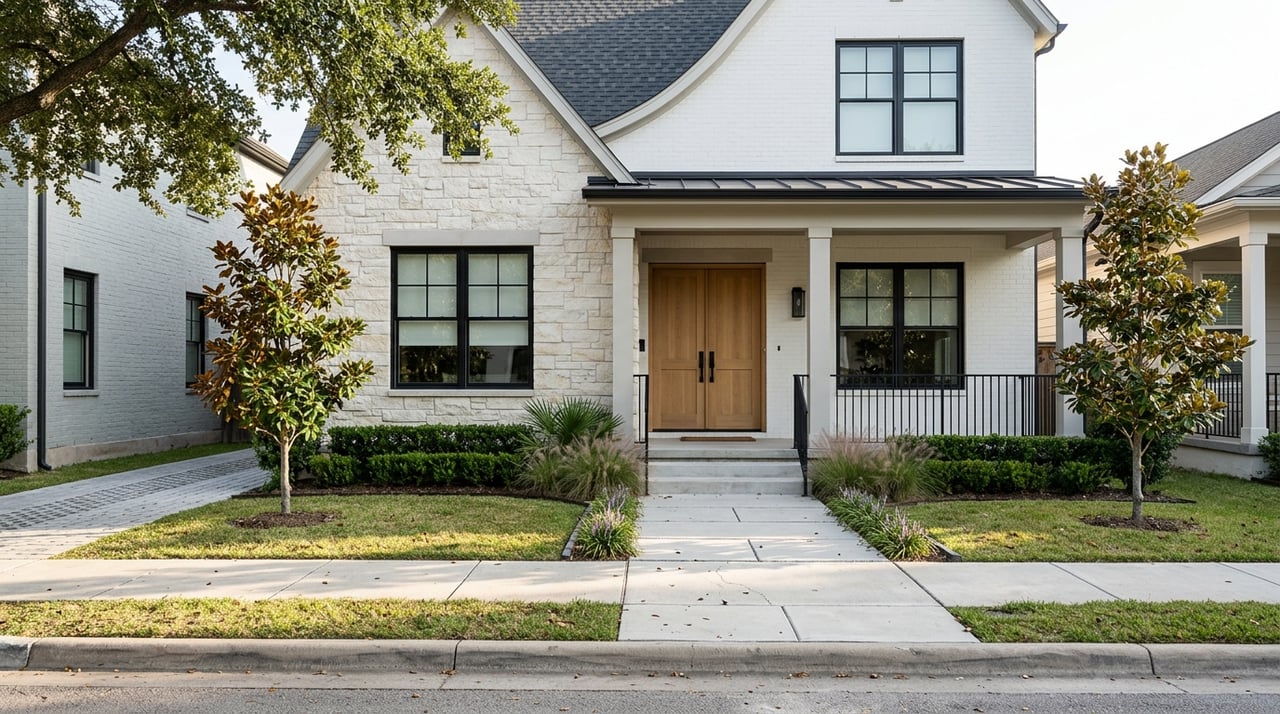
If you like architectural variety, Greater Heights offers a lot to look at. In the historic Heights districts, most housing is one- or two-story single-family homes, with styles that include Queen Anne, Craftsman, Folk National, Folk Victorian, Colonial Revival, and American Four-Square.
You’ll also see plenty of bungalows and cottages mixed in with larger homes. According to the city’s architectural guides, homes on Heights Boulevard and nearby streets like Yale and Harvard often tend to be larger than those on many interior residential streets.
Expect a Mix, Not a Matchy-Matchy Look
One of the biggest things to understand about living in Greater Heights is that the housing stock is not uniform. That is part of the charm for many buyers. Older cottages, Victorian-era homes, early bungalows, parks, commercial buildings, and newer infill can all exist within the same broader area.
The city also notes that newer construction on vacant lots is often designed to fit the historic setting. So when you tour homes here, you may see true historic properties, updated older homes, newer townhome-style options, and some larger modern builds within a short distance of each other.
How Redevelopment Shapes Daily Life
Greater Heights continues to evolve. City materials note that the eastern part of the area developed mainly in the 1920s and 1930s, while the western portion developed later, from the 1930s into the 1950s.
Some corridors, including Yale, 11th, 19th, 20th, and the I-10 frontage, have seen significant change. That means you should expect ongoing redevelopment, denser urban forms in some pockets, and rehabilitation of older homes in others.
Because Houston does not have zoning, land use can shift block by block. For you as a buyer, that makes it especially important to look beyond the house itself and pay close attention to the surrounding streets, nearby uses, and overall feel of the immediate area.
Getting Around Greater Heights
Greater Heights is often easier to navigate on foot or by bike than many Houston neighborhoods, especially near commercial corridors and trail connections. It is not a rail-centered area, but it does offer more everyday mobility than many buyers expect when they first think about Houston.
The White Oak Bayou Greenway intersects the Heights Hike and Bike Trail three times and runs through the historic Heights and Woodland Heights communities. That trail access is a meaningful part of daily life for many residents who enjoy walking, running, or biking close to home.
Transit and Commute Realities
METRO Route 40 Telephone / Heights serves the area, but Greater Heights is more bus-and-car oriented than rail oriented. METRO’s light-rail lines are concentrated in and around downtown rather than through the core of the Heights.
The area’s location inside the Loop is a major reason it stays in demand. The city notes that Greater Heights has easy access to major freeways, which can make trips to central Houston destinations more manageable, though your actual commute experience may still depend heavily on whether you are using neighborhood streets, arterials, or freeway ramps.
What Everyday Life Feels Like
Greater Heights offers a blend of historic character and modern convenience. That combination is one of the main reasons people are drawn to it. You can feel the area’s older neighborhood structure, but you also have access to shopping, dining, green space, and active-use trails.
West 19th Street remains a key part of the area’s identity. City historical material describes it as the original business district, and today it is known for antique shops, retail, restaurants, and landmarks such as the Heights Theatre.
Heights Mercantile adds another layer to the lifestyle mix. It is a low-rise urban market district along the Heights Bike Trail with dining, shopping, beauty businesses, and recurring farmers markets. Together, places like these help define the rhythm of daily life in Greater Heights.
Parks and Outdoor Access
If outdoor access matters to you, Greater Heights has a strong case to make. The city lists multiple neighborhood parks and greenspaces in the area, including Heights Blvd. Park, Lawrence Park, Milroy Park, Stude Park, Woodland Park, and White Oak Parkway.
White Oak Bayou also serves as a major greenspace and trail corridor with direct connections through the Heights. For many residents, that means outdoor time does not have to be something you save for the weekend. It can be part of your normal routine.
Who Greater Heights Usually Appeals To
Greater Heights often works well for people who want close-in Houston living without giving up neighborhood character. If you like older homes, local retail, trail access, and a setting that feels established rather than brand new, this area may check a lot of boxes.
It can also be a strong fit if you are open to housing variety. Some buyers are drawn to restored cottages or bungalows, while others prefer a newer townhouse, condo-style option, or more recently built infill home that still gives them access to the same location and lifestyle.
What Tradeoffs To Consider
No neighborhood is perfect for everyone, and Greater Heights comes with clear tradeoffs. The biggest one is inconsistency from block to block. Some buyers love that mix because it feels organic and interesting, while others prefer a more uniform setting.
If you want a very consistent streetscape, very low maintenance, or direct rail access, you may find the area less straightforward than expected. The same qualities that give Greater Heights personality can also mean you need to do a little more homework when comparing one pocket to another.
What To Watch as a Buyer
If you are considering a move to Greater Heights, it helps to go in with a clear plan. This is the kind of neighborhood where location within the neighborhood matters almost as much as the home itself.
Here are a few smart things to evaluate as you narrow your options:
- The immediate block and nearby streets
- The mix of older homes, infill, and commercial uses around the property
- Access to trails, parks, and daily errands
- Your likely commute route and traffic patterns
- The level of upkeep an older home may require
- Whether you prefer historic character or a newer build
A guided home search can be especially valuable here because Greater Heights is not a one-note neighborhood. Small differences in location, home style, and redevelopment activity can shape your experience in a big way.
Why Greater Heights Stays Popular
Greater Heights stays popular because it offers something many buyers want but cannot always find easily in Houston. It combines close-in location, recognizable neighborhood identity, architectural character, outdoor access, and a well-established feel.
For the right buyer, that mix can feel both practical and personal. You are not just choosing a house. You are choosing a neighborhood experience with its own rhythm, look, and day-to-day convenience.
If you’re exploring homes in Greater Heights and want clear, local guidance on which streets, home styles, and micro-areas may best fit your goals, Hardy Realty Group can help you make a smart, confident move.
FAQs
What is Greater Heights in Houston?
- Greater Heights is the City of Houston’s Super Neighborhood 15, a cluster of closely related neighborhoods inside the 610 Loop that includes areas such as Houston Heights, Norhill, Sunset Heights, and Woodland Heights.
What are homes like in Greater Heights?
- Homes in Greater Heights include many one- and two-story single-family properties, with styles such as Craftsman, Queen Anne, cottages, bungalows, Colonial Revival, and American Four-Square, along with newer infill and some townhome or condo-style options.
Is Greater Heights walkable?
- Greater Heights is generally more practical for walking and biking than many parts of Houston, especially near retail corridors and trail connections like the White Oak Bayou Greenway and the Heights Hike and Bike Trail.
Is Greater Heights good for commuting?
- Greater Heights benefits from an inside-the-Loop location and access to major freeways, which can make many central Houston trips more convenient, though commute times still depend on your route and traffic conditions.
What should buyers know before moving to Greater Heights?
- Buyers should expect more block-to-block variation than in many newer subdivisions because of Houston’s lack of zoning, ongoing redevelopment, and the area’s mix of historic homes, infill construction, and changing commercial corridors.