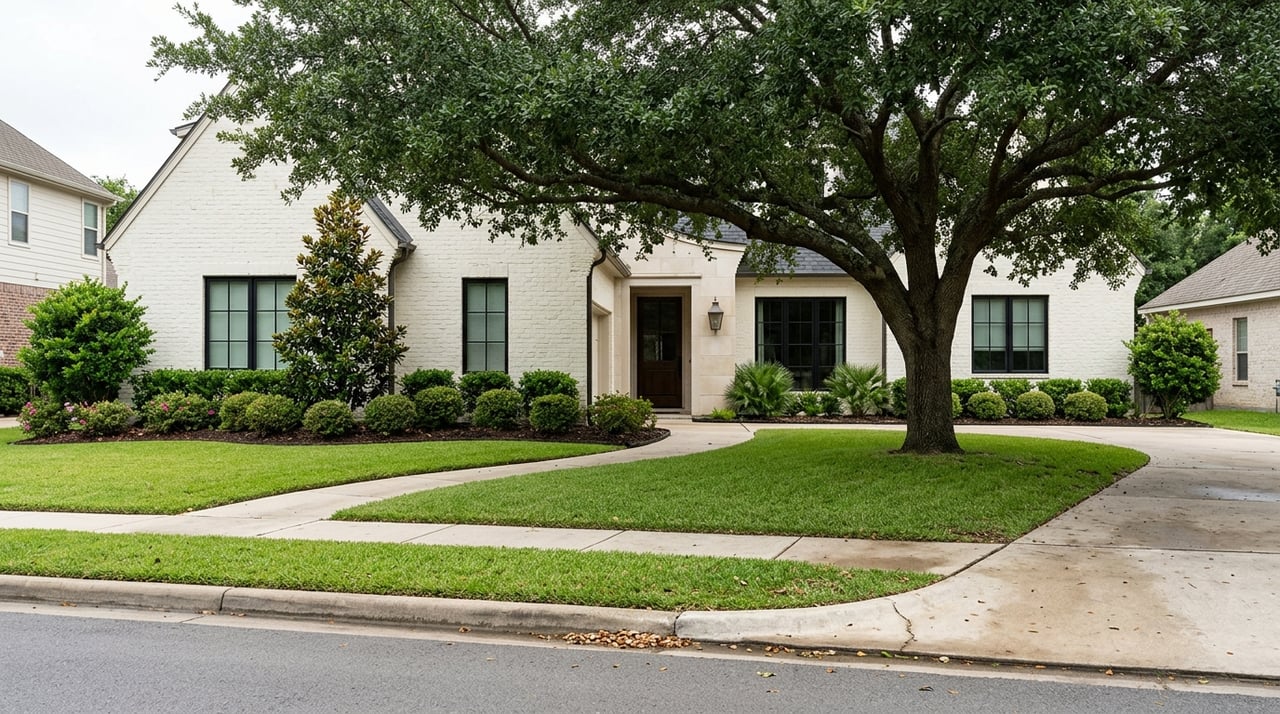
Looking for a neighborhood that feels tucked away without cutting you off from the rest of Houston? Hunters Creek Village stands out for exactly that balance. If you are trying to picture what daily life here really feels like, this guide will walk you through the setting, housing patterns, outdoor options, and everyday convenience that shape life in Hunters Creek Village. Let’s dive in.
Hunters Creek Village at a Glance
Hunters Creek Village is a small incorporated city on Houston’s west side. According to the city, it has about 4,400 residents, roughly 1,460 homes, and covers about 2 square miles.
That smaller scale shapes the day-to-day experience. Instead of feeling like a large master-planned area or a busy mixed-use district, Hunters Creek Village feels more residential, more contained, and more focused on village-level services.
The city also maintains about 22 miles of streets and 6.33 miles of hiking and biking paths. That means outdoor movement is built into everyday life, whether you enjoy morning walks, bike rides, or quick evening time outside.
A Residential Setting With Breathing Room
One of the biggest things you notice about Hunters Creek Village is space. The zoning code requires residential lots to be at least 22,500 square feet, with minimum width and depth standards that support larger homesites.
Setbacks also play a major role in how the neighborhood looks and feels. Front setbacks are 50 feet, rear setbacks are 25 feet, and side setbacks total 35 feet, with at least 15 feet on each side.
In practical terms, that creates a more open streetscape. Homes are not packed tightly together, and the overall look leans low-rise, established, and spread out.
The zoning code also caps building height at 35 feet and requires single-family homes to include at least 2,000 square feet of enclosed living area, including 1,500 square feet on the ground floor. Those standards help preserve the area’s spacious and custom-home character.
What Homes Tend to Look Like
Hunters Creek Village is not known for one uniform home style. Instead, the housing mix tends to include custom and estate-style properties with a range of architectural influences.
Local housing guides commonly point to modern French country, Mediterranean, Colonial Revival, and ranch-style homes as popular design patterns in the area. That gives the neighborhood visual variety while still fitting its larger-lot setting.
If you are comparing Hunters Creek Village to neighborhoods with repeated floor plans or tighter infill construction, the difference can feel significant. Here, the overall housing pattern is more individualized and more shaped by lot size, setbacks, and redevelopment rules.
Why the Tree Canopy and Layout Matter
A big part of everyday living in Hunters Creek Village is what you do not always see on a listing sheet. Mature trees, wider spacing between homes, and redevelopment controls all contribute to the area’s visual rhythm.
The city’s remodel and new construction checklist requires items such as a survey, tree disposition plan, tree survey, drainage plan, floodplain documentation, deed-restriction acknowledgment, and HOA approval where applicable. For buyers and owners, that points to a city process designed to manage change carefully.
That does not just affect building plans. It also helps explain why the neighborhood often feels established, wooded, and intentionally maintained over time.
Village Services Shape Daily Life
Hunters Creek Village functions as its own incorporated city, and that affects how local services are organized. Fire service is shared with the other Memorial Villages, and police service is shared with Piney Point Village and Bunker Hill Village.
Water service comes through the Memorial Villages Water Authority, which also serves as the city’s tax collector and assessor. For residents, that means daily life is supported through a village-based public service model rather than a typical subdivision setup.
That structure can matter if you value the feel of a smaller municipality with defined local systems. It is part of what makes Hunters Creek Village feel distinct from surrounding Houston neighborhoods.
Outdoor Life Is a Real Advantage
If you like having outdoor options close to home, Hunters Creek Village offers a strong setup. The city itself has 6.33 miles of hiking and biking paths, giving you easy access to routine recreation without needing a major outing.
That local trail network is only part of the picture. Hunters Creek Village also sits near several of Houston’s best-known green spaces, which expands your options for exercise, fresh air, and weekend routines.
Memorial Park Access
Memorial Park is one of Houston’s signature outdoor destinations. The City of Houston says it includes six miles of mountain and recreational bike trails, and Memorial Park Conservancy says the park spans 1,500 acres.
For Hunters Creek Village residents, that means a major regional park is part of the broader lifestyle conversation. It can support everything from a quick run to a longer weekend workout or outdoor meet-up.
Terry Hershey Park Options
Terry Hershey Park adds another strong trail choice on the west side. Harris County says the park covers 496 acres and includes 11.05 miles of trail along a roughly 6-mile stretch of Buffalo Bayou.
That kind of access can change your weekly routine in a good way. Instead of planning far ahead for outdoor time, you have major trail infrastructure nearby for regular use.
Buffalo Bayou Park Nearby
Buffalo Bayou Park is another option within the broader Houston recreation network. It offers 160 acres of green space just west of downtown.
Taken together, these nearby parks reinforce one of Hunters Creek Village’s clearest strengths. The neighborhood feels residential and quiet, but it is still well connected to some of the region’s most useful outdoor amenities.
Where Errands and Commutes Usually Flow
Hunters Creek Village is primarily a residential base, not a major shopping or office center. That means a lot of day-to-day errands and work trips naturally flow outward to nearby west Houston destinations.
This setup works well for many buyers who want a quieter home environment but still need access to retail, dining, healthcare, and employment centers. The key is understanding that the village itself stays low-density while nearby corridors handle much of the commercial activity.
Memorial City Convenience
Memorial City is one of the area’s most important nearby destinations. It is a 300-acre mixed-use district along I-10 and Beltway 8 with more than 10 million square feet of development.
For residents, that often translates to practical convenience. Many daily needs can be met nearby without changing the residential feel inside Hunters Creek Village itself.
Uptown and Galleria Reach
The Galleria and Uptown area is another major destination in the broader routine of west Houston living. Visit Houston describes this district as centered along Post Oak Boulevard and Westheimer Road, with more than 700 retailers in two square miles.
That gives you another strong option for shopping, services, and outings. It also reinforces that Hunters Creek Village is positioned within a larger network of high-activity Houston destinations.
Energy Corridor Access
The Energy Corridor is also a major piece of the location story. The district says it stretches along both sides of I-10 in west Houston and includes more than 2,000 acres of offices, residents, trails, and park access.
For many buyers, this helps frame Hunters Creek Village as a strategic home base. You get a quieter residential setting while staying connected to one of west Houston’s major employment corridors.
What Daily Living Feels Like
In day-to-day terms, Hunters Creek Village tends to feel calm, spacious, and established. The small number of homes, larger lots, generous setbacks, and tree-related review requirements all support that impression.
At the same time, the area does not feel cut off. Trails, parks, work hubs, and major shopping districts are all part of the surrounding geography, which helps create a balance between privacy and access.
That combination is a big reason buyers pay attention to Hunters Creek Village. If you want room to spread out and a more residential pace, but still need practical access to the wider Houston area, this location offers a distinctive mix.
What Buyers Should Keep in Mind
If you are considering a move to Hunters Creek Village, it helps to look beyond square footage alone. Daily living here is tied closely to lot size, setback patterns, tree coverage, and how the city manages remodeling and new construction.
You may also want to think about your routine. Consider where you work, where you usually shop, how often you use trails or parks, and whether a low-density residential setting fits the pace you want.
For many buyers, that lifestyle match matters just as much as the home itself. A neighborhood can look great on paper, but the best fit comes from how it supports your everyday life.
If you are weighing Hunters Creek Village against other Memorial or west Houston neighborhoods, a guided comparison can help you narrow down what truly fits your goals. That is especially useful when you are balancing home style, lot size, commute patterns, and long-term resale considerations.
If you are exploring Hunters Creek Village or planning a move in the Memorial area, Hardy Realty Group can help you compare neighborhoods, understand the local housing landscape, and make a confident move with clear, responsive guidance.
FAQs
What is everyday life like in Hunters Creek Village?
- Everyday life in Hunters Creek Village tends to feel quiet, residential, and spacious, with a small-city setting, larger homesites, mature trees, and convenient access to west Houston destinations.
What types of homes are common in Hunters Creek Village?
- Homes in Hunters Creek Village often include custom or estate-style properties with design influences such as French country, Mediterranean, Colonial Revival, and ranch.
How large are lots in Hunters Creek Village?
- The city’s zoning code requires residential lots to be at least 22,500 square feet, which is roughly half an acre and supports a more open neighborhood layout.
Does Hunters Creek Village have trails and outdoor spaces?
- Yes, the city has 6.33 miles of hiking and biking paths, and residents also have access to nearby outdoor destinations like Memorial Park, Terry Hershey Park, and Buffalo Bayou Park.
Where do Hunters Creek Village residents usually go for shopping and work?
- Many daily errands and commute patterns extend to nearby areas such as Memorial City, Uptown and Galleria, and the Energy Corridor.
Why does Hunters Creek Village feel more private than some other Houston neighborhoods?
- The smaller number of homes, larger lot requirements, generous setbacks, and redevelopment controls all help create a lower-density and more residential environment.