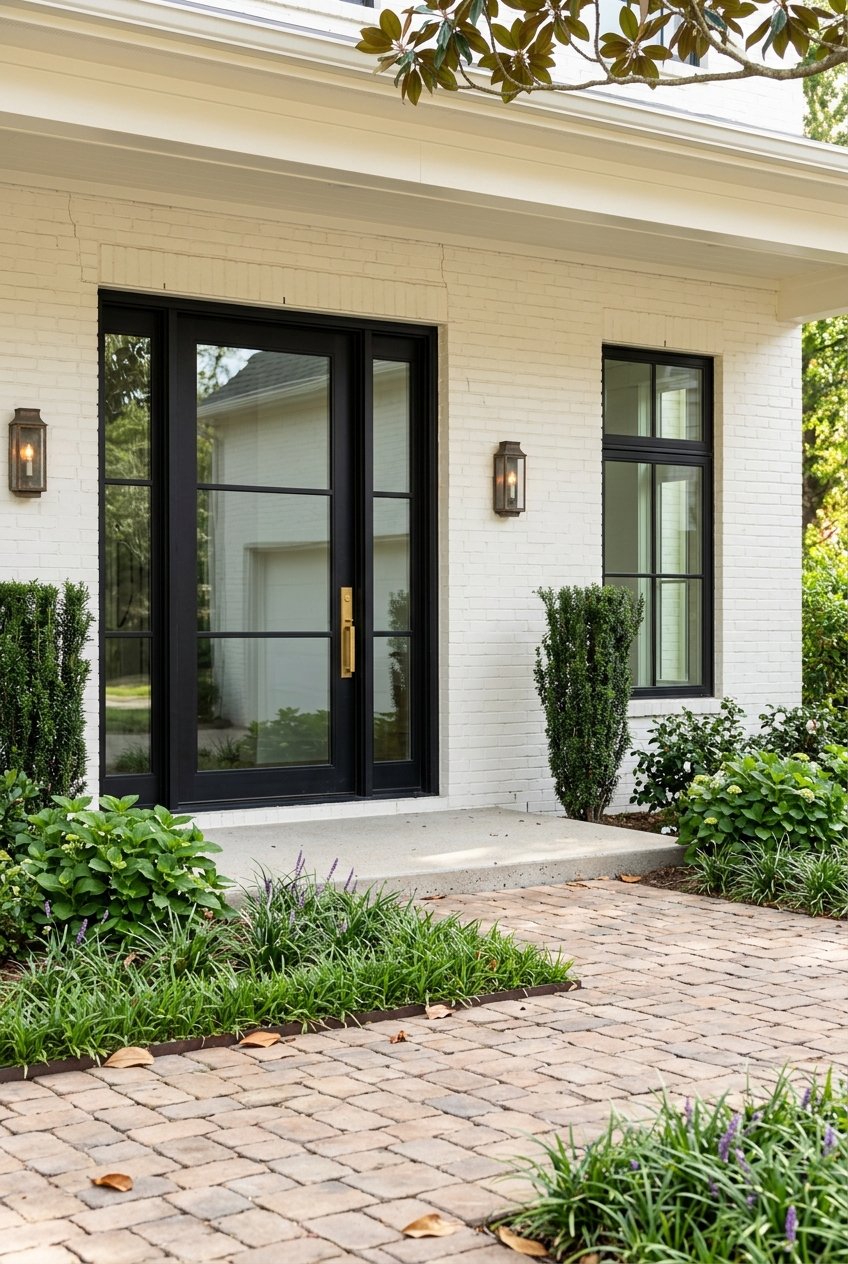
If you are thinking about buying in Bunker Hill Village, the biggest question may not be price alone. It may be whether you want a newer home that feels move-in ready or an established home with lot character and long-term potential. In a small, high-value market like this, that choice can shape your budget, timeline, and renovation plans more than many buyers expect. Let’s dive in.
Why this choice matters in Bunker Hill Village
Bunker Hill Village is a small city of about 1.4 square miles with roughly 1,198 housing units. The market is largely made up of owner-occupied, single-unit detached homes, and the median value of owner-occupied homes is about $2 million. That points to a market where lot quality, site fit, and future plans matter just as much as the finishes you see on day one.
This is also a low-turnover housing stock where newer construction is limited. A current ACS-based profile shows a median construction year of 1991, about two-thirds of homes were built before 2000, and only 8 homes, or 0.7%, were built in 2020 or later. In plain terms, established homes are still the standard here, while true newer construction is the exception.
What newer homes usually offer
For many buyers, a newer home offers a simpler ownership path. In Bunker Hill Village, new construction must follow a detailed local process that addresses zoning, setbacks, lot coverage, drainage, trees, and other city rules. That structure often supports a more turnkey experience because the home is being built to current local requirements from the start.
The city requires a mandatory pre-development meeting for new construction, reconstruction, and major additions. Contractors must register before permits are issued, and plans must address several site and construction factors before work moves forward. As a buyer, that means newer homes are typically shaped carefully around the lot rather than added onto in pieces over time.
New-home requirements also include underground utility service, fire sprinklers, a drainage system design signed by a Texas-registered civil engineer, and compliance with the city’s adopted building codes. For you, that can mean fewer near-term unknowns compared with an older home that may need updates sooner. It does not remove every future maintenance issue, but it can reduce the chance that you inherit a major project right after closing.
New construction is scarce
A key point in Bunker Hill Village is simple: newer homes are not the default product. With only a tiny share of homes built in 2020 or later, buyers looking for recent construction may have fewer options. That can make patience and clear priorities especially important.
If you want newer construction, you may need to decide early which features matter most. Your list might include layout, lot size, yard space, pool potential, or how much ongoing work you are willing to take on. In a market with limited supply, knowing your non-negotiables helps you act with more confidence.
What established homes usually offer
Established homes make up most of the housing stock in Bunker Hill Village. Because of that, you will likely see more variety in layout, condition, update level, and lot presentation. Some homes may feel well maintained and ready to enjoy, while others may offer more upside for a buyer who wants to personalize the property over time.
Older homes can also come with mature trees and a more established lot feel. For some buyers, that is a major advantage and part of the reason they are drawn to the area in the first place. If you value lot character and the chance to improve a home gradually, an established property may be the better fit.
That said, older homes often bring more renovation questions. Based on the age profile, some homes may reflect older room separation or design choices that do not match what buyers want today. Even when the lot is excellent, the house itself may need updates to better match your lifestyle.
Lot rules can shape your decision
In Bunker Hill Village, the lot is a major part of the story. The city’s subdivision standards create a large-lot baseline, with standard resulting lots of 20,000 square feet in District A and 10,000 square feet in District B. Minimum street frontage and lot depth rules also apply, and flag lots are not allowed.
Those standards matter because they affect what can realistically be built or changed on a property. A home may sit on a generous lot, but that does not mean every design idea will fit the way you expect. Street frontage, depth, and public street access all play a role.
Coverage limits affect yard and pool plans
The city limits impermeable lot coverage to 45% of lot area and total lot coverage to 55%, including pools. For lots under 25,000 square feet, the city’s drainage update also requires standard detention based on 45% of the lot. In real life, that means the available space for lawn, driveway, patios, and a pool can shrink quickly once the house footprint is set.
This is one of the biggest reasons buyers should look beyond square footage alone. A larger home on paper may leave less usable outdoor space than you expect. If yard use matters to you, review the site plan carefully before assuming a lot can support every feature on your wish list.
Trees are part of the planning process
Trees are not just a cosmetic detail in Bunker Hill Village. The city’s site plan process requires a certain number of trees per square foot of lot, and the new-home packet requires one tree for each 1,000 square feet of lot area at final. If you prefer a wide-open yard, tree planning and retention should be part of your early decision-making.
Tree removal also requires a permit before a tree is cut down. That matters for buyers considering an established home with mature landscaping, especially if you are already thinking about additions, pool placement, or major outdoor changes.
Renovation plans need a close look
If you are leaning toward an established home, it is important to understand how Bunker Hill Village treats remodels. Even smaller remodels require permits if walls are removed, new walls are built, or wall or ceiling cavities are opened. What seems like a straightforward update can involve more process than buyers expect.
The bigger issue is the city’s reconstruction threshold. If a project reaches 50% or more of the structure by value or living area within any consecutive 24-month period, it becomes a reconstruction. Once that happens, the project must meet new-home requirements, including sprinklers, drainage, tree counts, and foundation minimums.
Phased projects can still trigger reconstruction rules
This 24-month rule is especially important if you plan to renovate in stages. Multiple smaller projects can still cross the reconstruction threshold when viewed together. If your goal is to buy an older home and improve it over time, you will want to evaluate that path carefully before you commit.
For some buyers, this is the deciding factor between new and established homes. If you want flexibility but do not want a major permitting path, the scope and timing of your renovation plans matter just as much as the home itself.
Living through construction has tradeoffs
Some buyers are open to buying a lot or older home and taking on a build or major project. That can work well, but it helps to go in with realistic expectations. In Bunker Hill Village, construction and deliveries are limited to weekdays and Saturdays, Sunday work is not allowed, and active permit jobs require vehicles to stay on the lot.
Those rules help shape the day-to-day construction experience. If you expect to live on-site during a major project or close by while work is underway, the process may feel more disruptive than the final result suggests. A finished product can be beautiful, but the path there still requires patience.
How to decide which path fits you
The better choice usually comes down to how you want to live, not just what you want the house to look like. In Bunker Hill Village, newer homes tend to fit buyers who want a more finished solution and fewer immediate project unknowns. Established homes tend to fit buyers who value lot character, mature trees, and the option to customize over time.
A helpful way to frame your decision is to ask whether you want to buy a finished solution or buy into a project. In this market, that distinction matters because local rules around lot coverage, drainage, trees, and reconstruction can affect both cost and timeline. The home itself is only part of the equation.
Here are a few questions to ask yourself before you buy:
- Do you want a home that feels move-in ready right away?
- Are you open to renovation, or do you want to avoid projects for the near future?
- How important are mature trees and established lot character?
- Do you want a pool, large lawn, or other outdoor features that depend on site planning?
- Would phased updates still fit your budget and timeline if city requirements become more extensive?
- Are you comfortable with the day-to-day reality of construction if your plan includes major work?
A smart buying strategy for Bunker Hill Village
Because this is a small, high-value, low-turnover market, preparation matters. You will likely make better decisions if you evaluate each property as both a home and a site. That means looking at not only style and finishes, but also lot constraints, tree impact, drainage considerations, and the true scale of any future remodel.
This is also where guided local advice can make a real difference. A clear buying strategy helps you compare properties based on your actual goals, whether that is turnkey living, long-term customization, or a balance of both. When options are limited and the stakes are high, a thoughtful process matters.
If you are weighing newer versus established homes in Bunker Hill Village, Hardy Realty Group can help you think through the tradeoffs, narrow your options, and move forward with a plan that fits your goals.
FAQs
What is the main difference between newer and established homes in Bunker Hill Village?
- Newer homes are relatively scarce and often appeal to buyers who want a more turnkey experience, while established homes make up most of the market and may offer more lot character and renovation potential.
How common is new construction in Bunker Hill Village?
- It is a small share of the market. A current ACS-based profile shows only 8 homes, or 0.7%, were built in 2020 or later.
What lot rules matter when buying a home in Bunker Hill Village?
- Buyers should pay attention to lot size standards, frontage and depth rules, coverage limits, drainage requirements, and tree requirements because those can affect outdoor space and future building plans.
Can remodeling an established home in Bunker Hill Village trigger new-home rules?
- Yes. If work reaches 50% or more of the structure by value or living area within any consecutive 24-month period, the project becomes a reconstruction and must meet new-home requirements.
Do you need permits for smaller remodels in Bunker Hill Village?
- Yes, permits are required for smaller remodels when walls are removed, new walls are built, or wall or ceiling cavities are opened.
Should buyers in Bunker Hill Village think about the lot as much as the house?
- Yes. In this market, the lot can be just as important as the house because site-planning rules, tree requirements, and coverage limits can shape what you can do now and later.